

The historical evolution of gambling From ancient rituals to modern casinos
Origins of Gambling in Ancient Civilizations
The practice of gambling dates back thousands of years, with its roots embedded in various ancient civilizations. Evidence of early gambling activities can be traced to China around 2300 BC, where simple games of chance were played using rudimentary tools. Similarly, the ancient Egyptians engaged in dice games, which were often linked to rituals and served as a means of divination. In the more recent landscape of online gaming, Spade69 Casino provides a modern twist on these timeless activities, captivating players with its vibrant offerings.


In ancient Rome, gambling became a popular pastime among citizens, with various forms of betting being legalized. Gladiatorial games attracted vast crowds, and betting on the outcomes was common. These early practices not only highlight the social aspects of gambling but also demonstrate its role as a form of entertainment in society.
The Middle Ages and the Rise of Gambling Houses
During the Middle Ages, gambling experienced a resurgence, particularly in Europe. The introduction of card games in the 14th century marked a significant evolution in gambling culture. Gambling houses began to emerge, often operating in clandestine locations. These venues provided a space for social interaction and entertainment, albeit with the risk of legal repercussions.
In this era, the development of gaming laws began to take shape, with authorities attempting to regulate gambling activities. Despite restrictions, the allure of games such as dice and cards continued to captivate the public, leading to the establishment of more formal gambling establishments by the 17th century.
The 18th and 19th Centuries: Legalization and Commercialization
The 18th and 19th centuries witnessed a pivotal transformation in the gambling landscape, characterized by legalization and commercialization. The advent of state-run lotteries provided a legitimate framework for gambling, generating revenue for governments while simultaneously offering citizens the chance to win substantial prizes. This marked the beginning of organized gambling in the modern sense.
Additionally, the establishment of casinos in cities like Monte Carlo brought glamour and sophistication to the gambling experience. These venues not only attracted the wealthy elite but also became cultural icons, influencing fashion, art, and literature. The popularity of gambling soared as it became intertwined with social status and luxury.
The Digital Revolution and Online Gambling
The late 20th century ushered in the digital revolution, profoundly impacting the gambling industry. The internet provided a new platform for gambling, leading to the emergence of online casinos and betting sites. Players could now engage in their favorite games from the comfort of their homes, leading to a significant increase in the accessibility of gambling.
With advancements in technology, online gaming has evolved to include live dealer experiences, allowing players to interact with real dealers through video streaming. This innovation bridges the gap between traditional and modern gambling, offering players an immersive experience without the need to visit a physical casino.
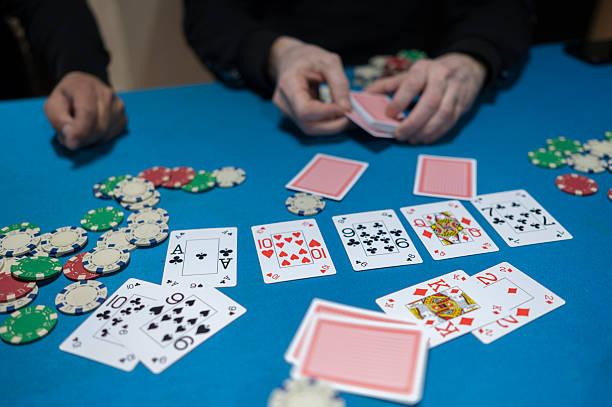
Spade69 Casino: A Modern Gaming Experience
For those looking to explore the exciting world of online gambling, Spade69 Casino offers a premier platform tailored for Australian players. With a diverse range of real money pokies, table games, and live dealer options, it caters to various gaming preferences. The site’s user-friendly interface ensures a seamless experience, making it easy for players to navigate through an extensive selection of games.
Spade69 Casino prioritizes player safety with advanced security measures, allowing users to enjoy their gaming experience with peace of mind. With generous promotions and a rewarding loyalty program, players can maximize their enjoyment and potential rewards in a trustworthy environment designed for both new and seasoned gamblers.